
Your Lexington, KY Spring Landscaping Checklist (What to Do and When)
Your Lexington, KY Spring Landscaping Checklist: Tasks You Shouldn’t Skip
If you’ve lived in Lexington for any amount of time, you know how quickly things shift once spring arrives. One week it still feels like winter. The next, everything is starting to grow again. And that window matters more than most homeowners realize. Because what you do in early spring doesn’t just impact how your yard looks in April. It affects how it performs through the entire season.
Most landscaping issues we see later in the year can usually be traced back to something that was skipped or delayed in spring. This checklist will walk you through what actually matters, when to do it in Lexington, and how to avoid the common missteps that create problems down the road.
Why Spring Landscaping Matters So Much in Kentucky
Spring in Kentucky is less about catching up and more about setting the foundation. After winter, your yard is:
Compacted from cold and moisture
Covered with debris and dormant material
Just starting to come out of dormancy
At the same time:
Weeds are preparing to germinate
Grass is beginning active growth
Plants are transitioning into their growing cycle
If you take the right steps early, everything works with you. If you wait too long, you spend the rest of the season reacting instead of maintaining.
The Essential Spring Landscaping Checklist
Let’s walk through the key tasks in the order they typically matter most.
1. Clear Debris and Reset the Space
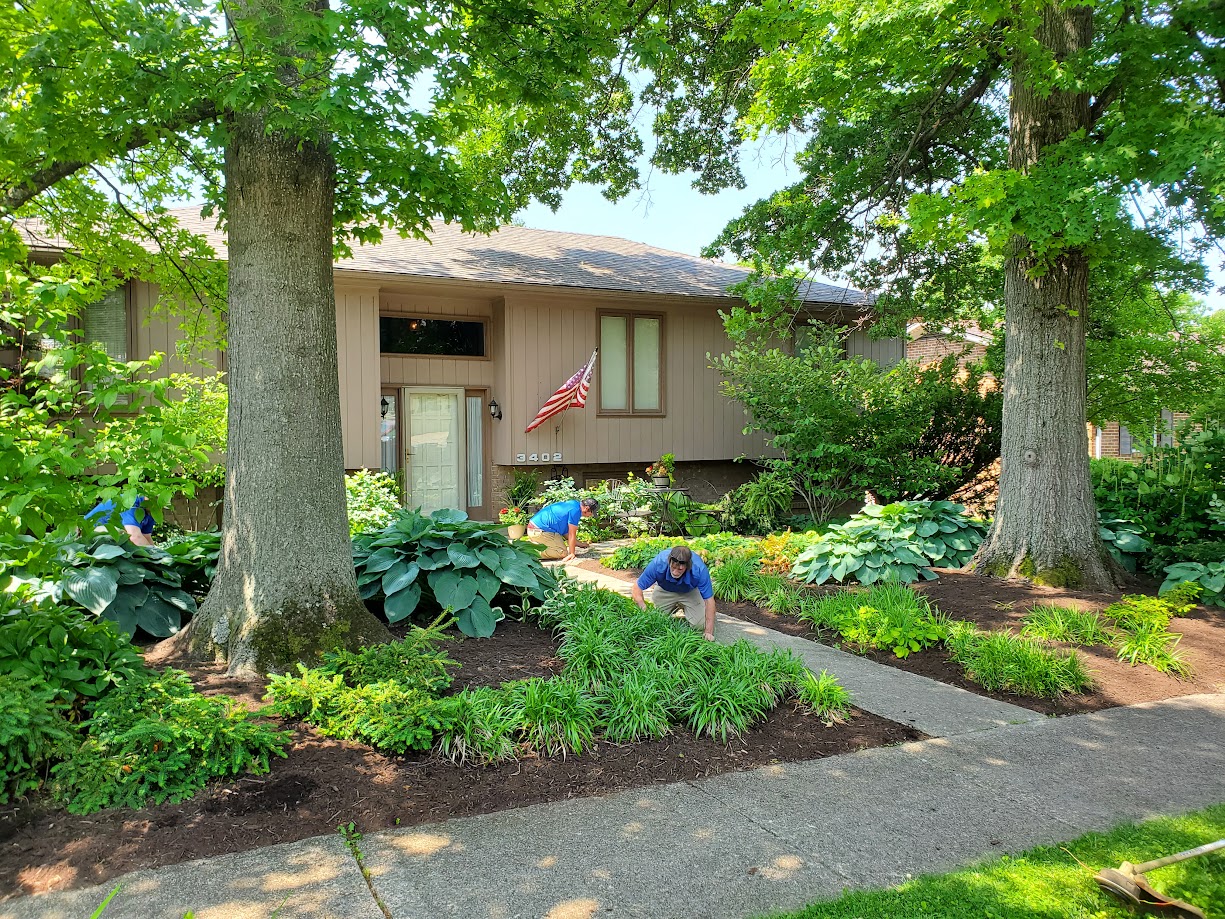
Before anything else, your yard needs a clean starting point. That includes:
Leaves left over from fall and winter
Fallen branches
Dead plant material
General buildup around beds and edges
Why this matters:
Debris traps moisture and limits airflow, which can lead to: mold or disease in turf, delayed growth and uneven lawn recovery. A clean yard allows sunlight and air to reach the soil again, which helps everything wake up evenly.
2. Edge and Define Beds
This is one of the most overlooked steps, but it makes a noticeable difference.
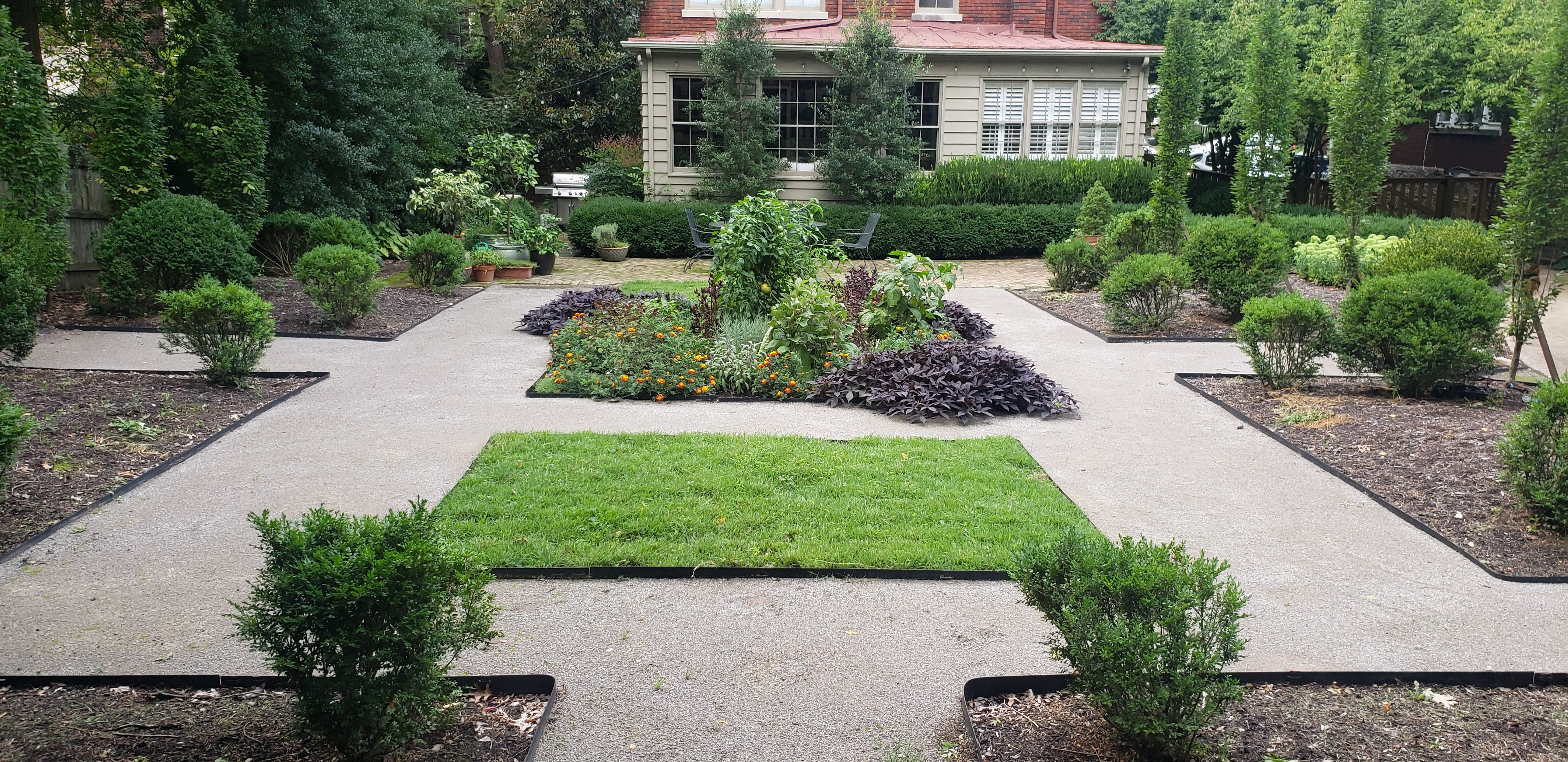
Clean bed edges:
Create clear separation between lawn and landscape
Improve overall appearance immediately
Help contain mulch and prevent grass from creeping in
More importantly, it sets the structure for everything else you’ll do. Without defined edges, even well-maintained spaces can feel unfinished.
3. Early-Season Pruning (With Caution)
Spring is a good time to prune, but not everything should be cut at once.
Focus on:
Removing dead or damaged branches
Shaping certain shrubs before new growth begins
Be careful with:
Spring-flowering plants (like hydrangeas or azaleas), which may already have buds
The goal is not aggressive cutting. It’s cleaning up and guiding growth, not resetting the plant entirely.
4. Refresh Mulch the Right Way
Mulch does more than improve how your yard looks. It helps:
Retain moisture
Regulate soil temperature
Suppress weeds
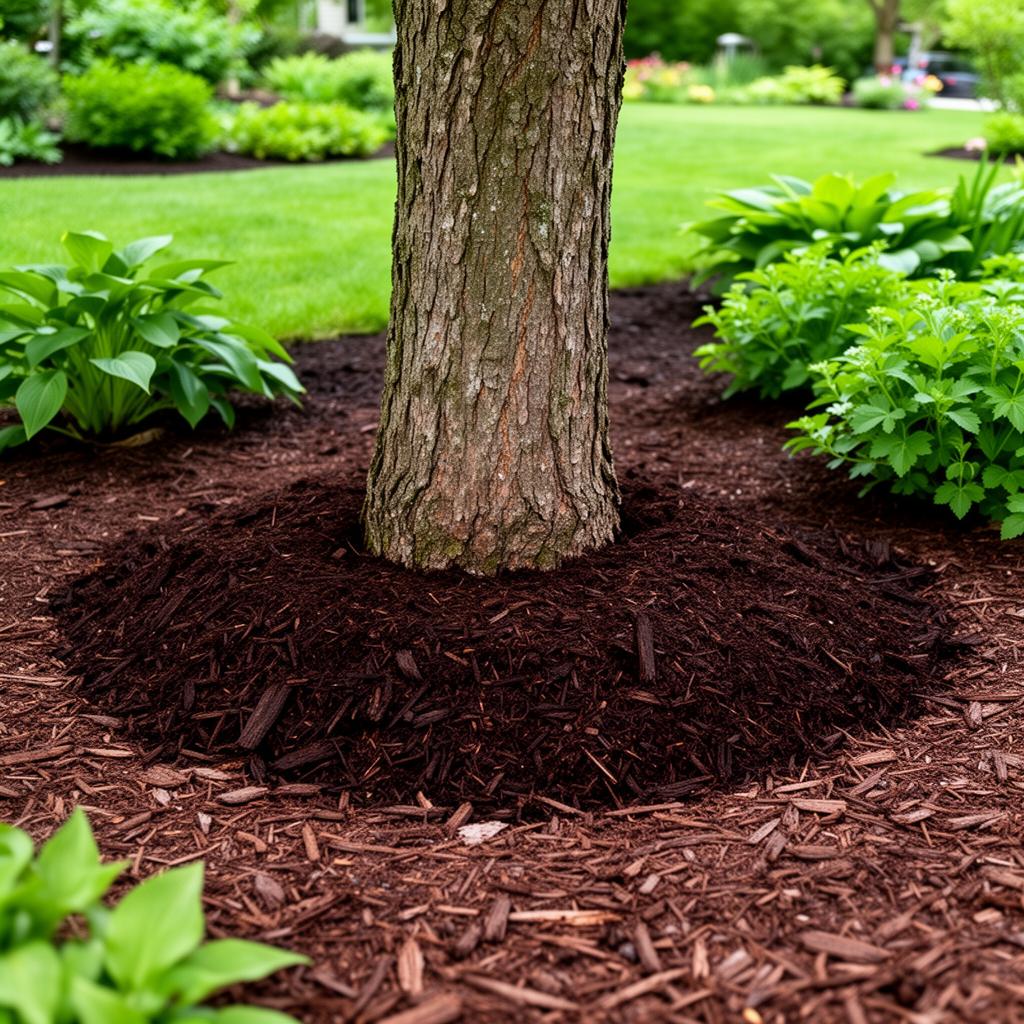
In Lexington, most properties benefit from a mulch refresh in early to mid-spring. But there’s a right way to do it. Avoid over-mulching (too thick can suffocate roots) and piling mulch against tree trunks (“mulch volcanoes.”) A consistent 2–3 inch layer is usually enough to get the benefits without creating issues.
5. Aeration (If Your Soil Needs It)
Because Lexington has clay-heavy soil, aeration is often one of the most valuable steps you can take.
Aeration helps:
Reduce compaction
Improve water absorption
Encourage deeper root growth
Signs your lawn may need it:
Water pooling after rain
Hard, compacted soil
Thin or struggling grass
If your lawn struggled last summer, there’s a good chance aeration should be part of your spring plan.
6. Apply Pre-Emergent Weed Control
This is one of the most time-sensitive steps in spring. Pre-emergent prevents weeds before they appear. Timing matters because once weeds have already germinated, it’s too late for prevention. But also, Lexington soil temperatures typically reach this window in early spring. Missing this step often leads to more visible weeds throughout the season, even with regular maintenance.
7. Evaluate Lawn Health and Fill Thin Areas
After winter, it’s normal for some areas of your lawn to look:
Thinner
Patchy
Slower to green up
Spring is a good time to:
Lightly overseed problem areas
Address soil issues
Improve consistency across the lawn
While fall is the best time for full seeding, spring is still important for targeted repairs and improvement.
Timing Matters in Lexington (More Than You Think)
One of the biggest challenges with spring landscaping is knowing when to do each step. In Lexington, a few general timing markers help:
Late February to early March: Begin cleanup and edging
Early to mid-March: Apply pre-emergent
Mid to late March: Mulch refresh and pruning
March to April: Aeration and lawn evaluation
Weather can shift these slightly, but the sequence stays consistent. The key is not rushing everything at once but moving in the right order as conditions allow.
Common Spring Landscaping Mistakes
Even well-intentioned homeowners run into issues when timing or approach is off. Some of the most common:
Waiting too long to start
Applying mulch too heavily
Pruning plants at the wrong time
Skipping pre-emergent weed control
Ignoring soil compaction
These don’t always show immediate results. But over time, they lead to:
More weeds
Thinner lawns
Increased maintenance later in the season
What a Well-Prepared Yard Looks Like
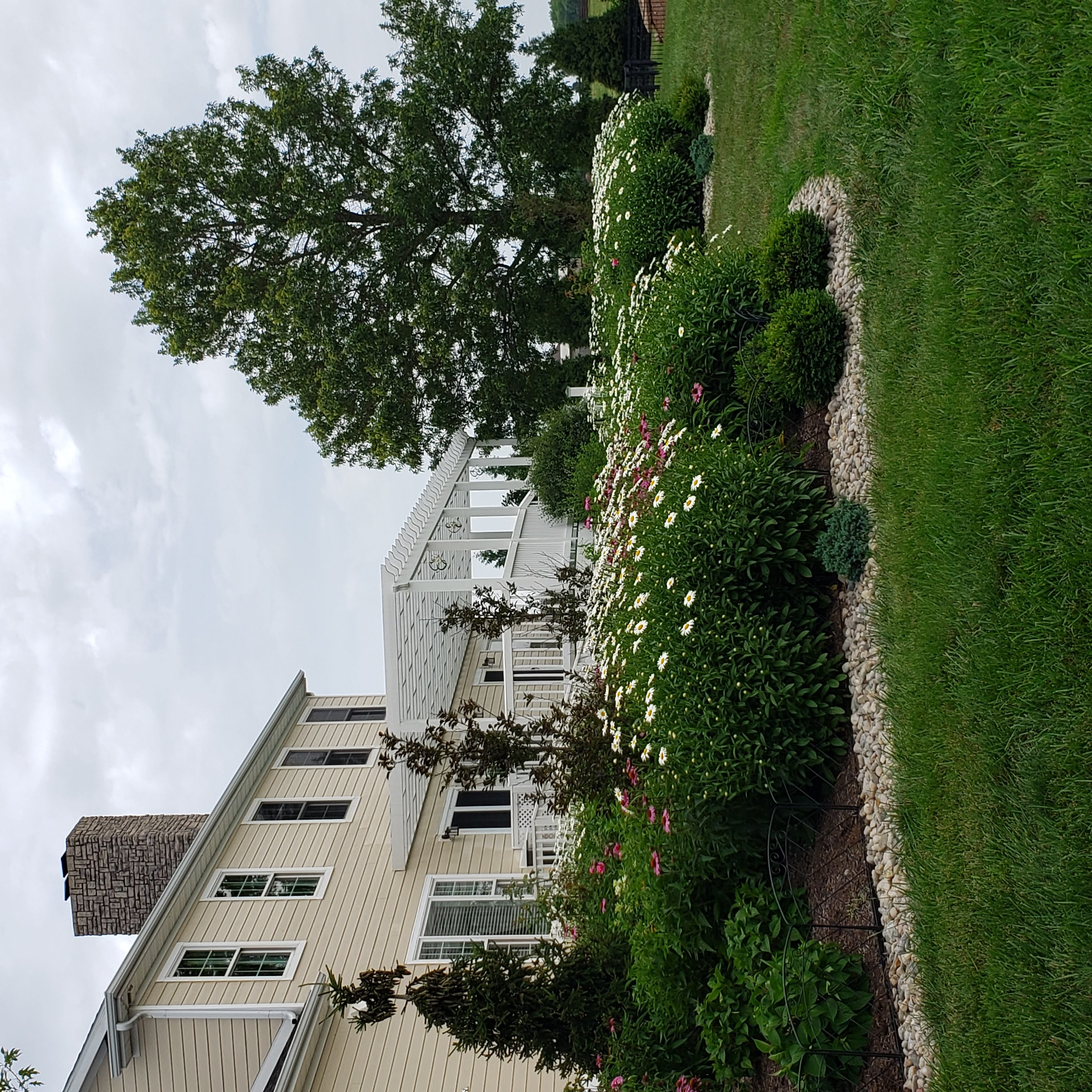
When spring landscaping is done well, you’ll notice:
Clean, defined edges
Even early growth across the lawn
Minimal weed pressure
Mulch that looks fresh but not excessive
Plants that are beginning to grow naturally, not struggling
It won’t look fully finished yet. But it will feel ready, which is exactly what you want heading into the season.
Final Thoughts
Spring landscaping in Lexington isn’t about doing everything at once. It’s about doing the right things, in the right order, at the right time. When those pieces come together, the rest of the season becomes easier to manage and more predictable.
Want Help Getting Your Yard Ready for the Season?
If you’re planning to get your landscape in shape this spring and want a clear plan for your specific property, we’re happy to help. We can walk through your yard with you, identify what matters most right now, and outline the steps that will set you up for a smooth season. No pressure. Just a clear starting point.