
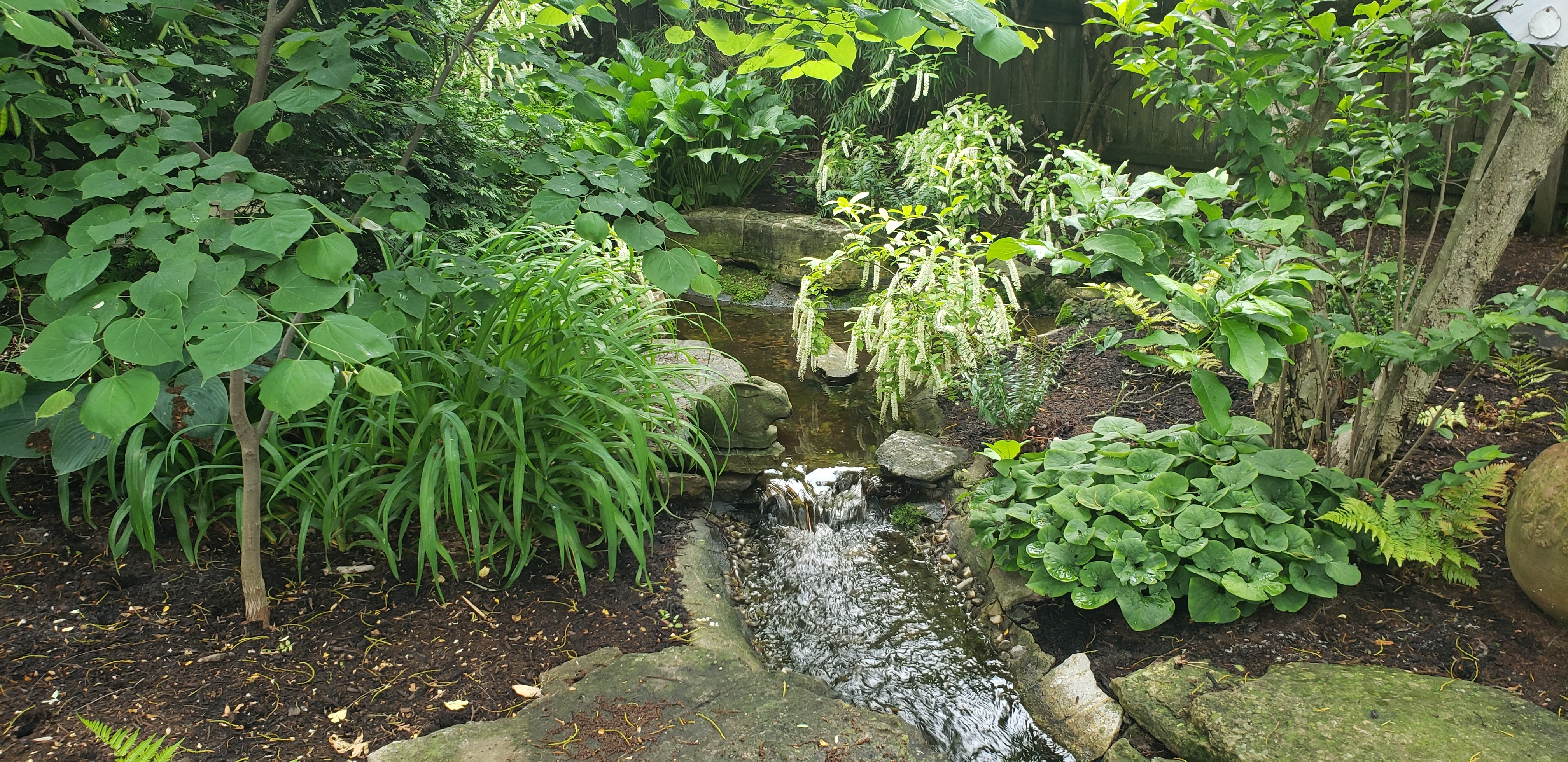
Native Kentucky Plants for Landscaping (Low-Maintenance Options That Thrive in Lexington, KY)
If you’ve ever planted something that looked great at first… but struggled a season later, you’re not alone. A lot of landscaping issues in Kentucky don’t come from poor care. They come from choosing plants that weren’t built for this environment in the first place.
That’s where native plants make a difference. They’re not just a trend or a design preference. They’re plants that have naturally adapted to Kentucky’s soil, climate, and weather patterns over time. Which means:
They require less maintenance
They handle our seasons more reliably
And they tend to perform better year after year
If your goal is a landscape that looks good and feels manageable, native plants are one of the most practical ways to get there.
Why Native Plants Work So Well in Kentucky
Kentucky’s environment can be unpredictable. We deal with:
Clay-heavy soil
Hot, humid summers
Occasional drought conditions
Many non-native plants struggle to keep up with those swings. Native plants don’t. They’ve evolved to:
Handle local soil conditions
Survive seasonal changes
Thrive without constant intervention
That doesn’t mean they require no care. It means they require less correction over time.
The Real Benefits of Using Native Plants
When native plants are used intentionally, the benefits show up quickly and continue long term.
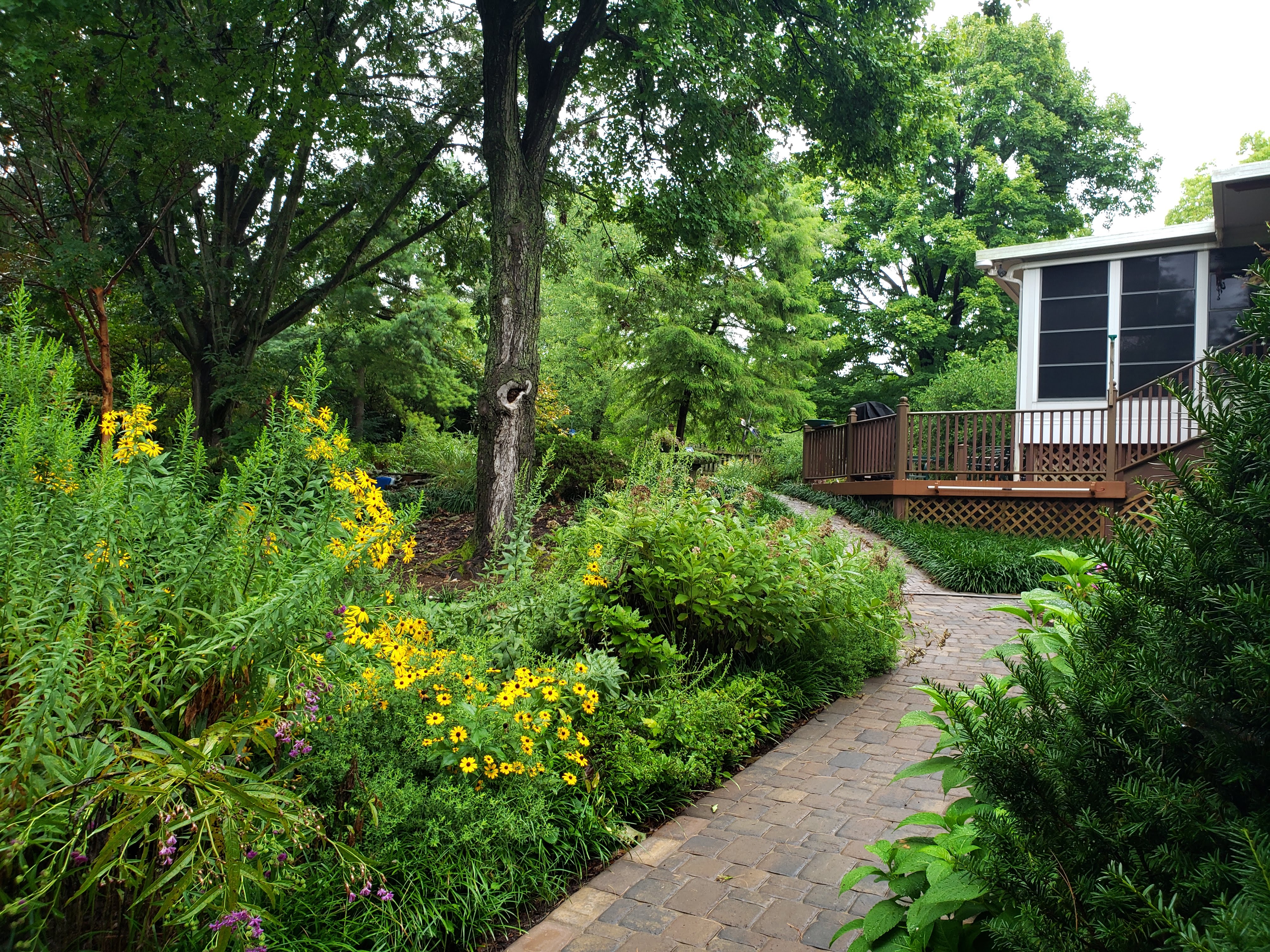
Lower Maintenance
Because they’re already suited to the environment, native plants:
Need less watering
Require fewer inputs (fertilizer, chemicals)
Recover more easily from stress
Support for Pollinators and Wildlife
Native plants provide food and habitat for:
Bees
Butterflies
Birds
This creates a more balanced ecosystem in your yard.
Better Long-Term Performance
Instead of constantly replacing plants that struggle, native selections:
Establish more reliably
Grow more predictably
Require fewer adjustments year to year
Improved Water Efficiency
Many native plants are naturally drought-tolerant once established. That becomes especially valuable during Kentucky summers when conditions can shift quickly.
Native Trees That Work Well in Lexington Landscapes
Trees are one of the most important long-term decisions you’ll make in your landscape. The right tree:
Adds structure and shade
Increases property value
Anchors your design
Some strong native options include:
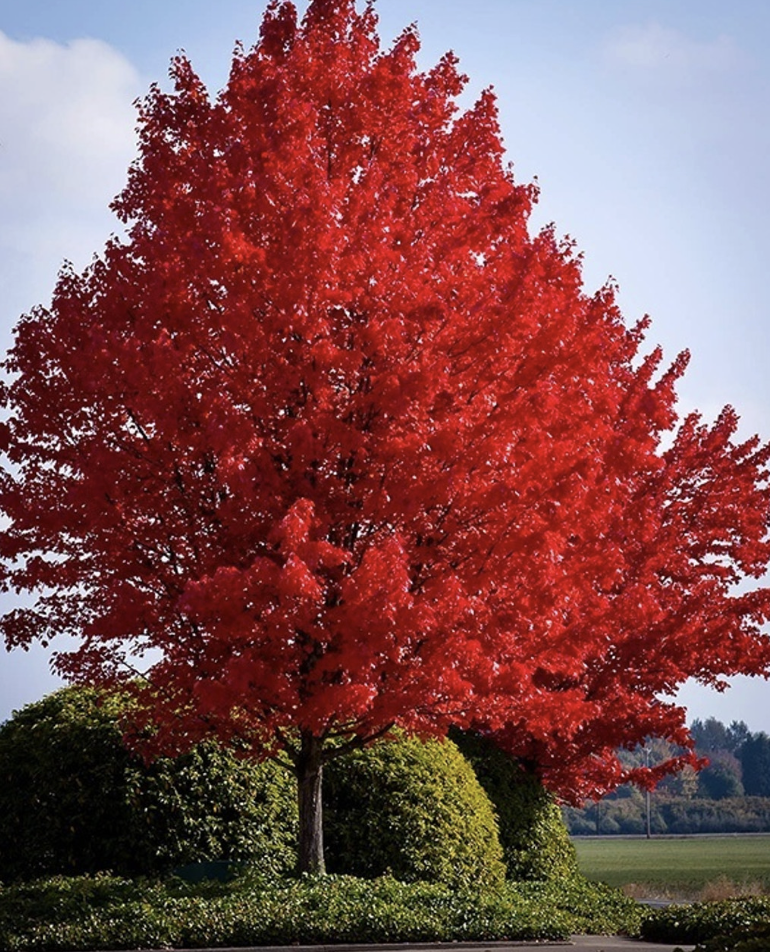
Red Maple – adaptable, reliable, great fall color
Eastern Redbud – smaller ornamental tree with early spring blooms
White Oak – strong, long-lived, excellent for larger properties
Tulip Poplar – fast-growing with a distinctive look
The key is matching the tree to your space, not just choosing based on appearance.
Native Shrubs for Structure and Consistency
Shrubs help define your landscape and provide year-round structure. Reliable native choices include:
Inkberry Holly – evergreen option that works well in many settings
Ninebark – durable and adaptable with seasonal interest
Buttonbush – great for wetter areas and pollinators
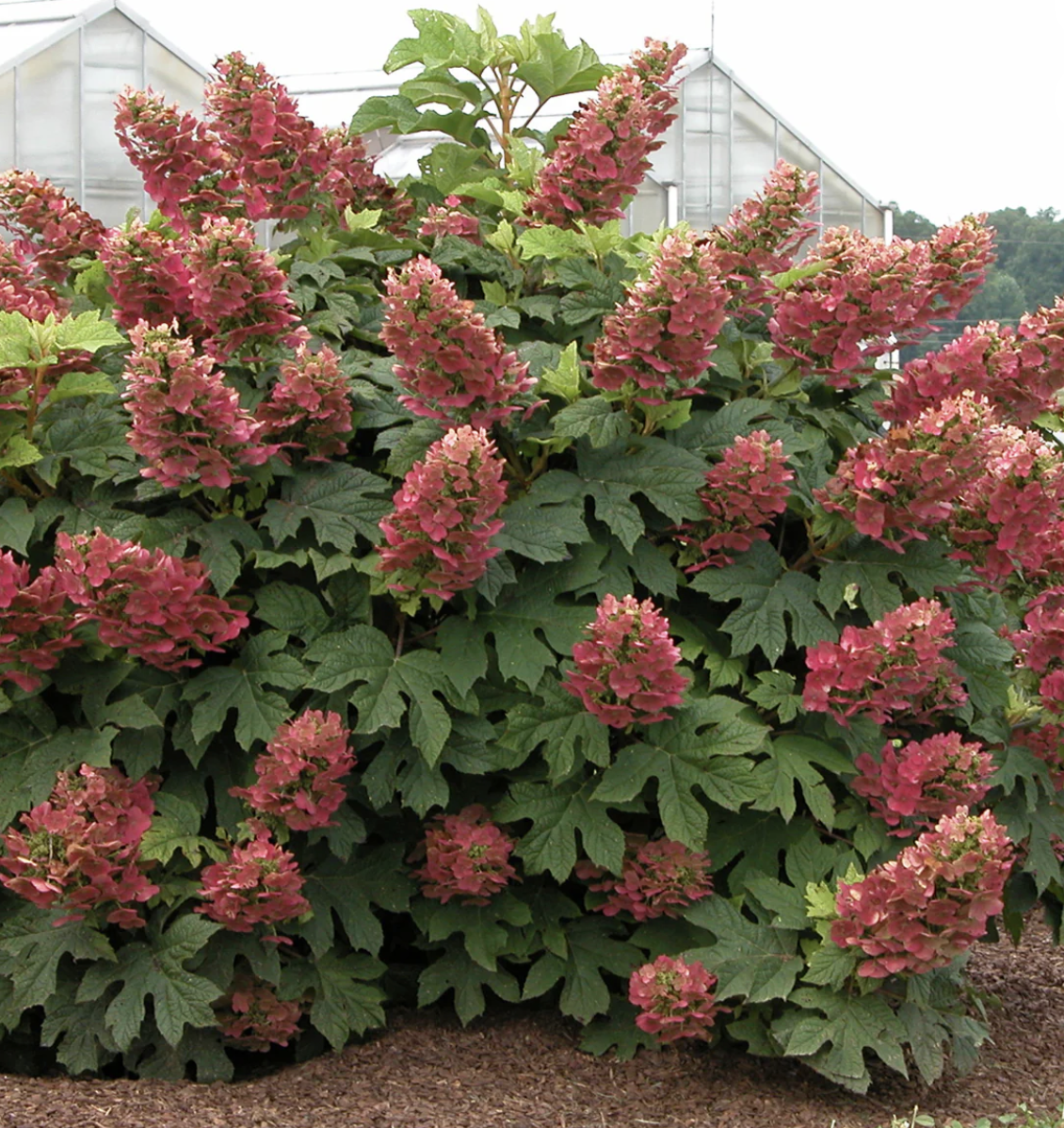
Oakleaf Hydrangea – strong local performer with multi-season appeal
Native shrubs tend to hold their shape and health better with less intervention.
Native Perennials for Seasonal Color
Perennials are where you can bring in color and variation throughout the year. Some well-performing native options:
Black-eyed Susan – bright, durable, easy to maintain
Purple Coneflower (Echinacea) – attracts pollinators and handles heat well
Bee Balm – vibrant and beneficial for wildlife
Coreopsis – long blooming and low maintenance
These plants return year after year, which reduces replanting and upkeep.
Native Grasses for Texture and Movement
Ornamental grasses are often overlooked, but they add a lot to a landscape. Native varieties provide:
Movement in the wind
Seasonal texture
Low-maintenance structure
Good options include:
Switchgrass
Little Bluestem
Indian Grass
These work especially well in naturalized or low-maintenance designs.
Choosing the Right Plants for Your Specific Conditions
Even within native plants, placement matters. Some prefer:
Full sun
Partial shade
Moist soil
Drier conditions
Before selecting plants, it helps to understand:
How much sunlight your yard receives
How water moves through your property
Where soil tends to stay wet or dry
The best results come from matching plants to conditions, not forcing them to adapt.
Common Mistakes with Native Plant Landscaping
Native plants are more forgiving, but they’re not maintenance-free. Some common missteps include:
Assuming all native plants can go anywhere
Overcrowding plants early on
Ignoring long-term growth size
Mixing too many styles without a clear plan
Native landscapes still benefit from thoughtful design and spacing.
How Native Plants Fit Into a Well-Designed Landscape
A successful landscape usually isn’t 100% native or 100% non-native. It’s balanced. Native plants often serve as:
The foundation
The reliable core
The lower-maintenance backbone
From there, additional elements can be layered in intentionally. The goal isn’t to limit options. It’s to create a landscape that works with your environment.
What a Native Landscape Feels Like Over Time
When native plants are chosen well and placed correctly, the experience is different. You’ll notice:
Less need to replace struggling plants
More consistent growth across seasons
A landscape that feels stable, not constantly changing
It doesn’t mean no work. It means less guesswork.
Final Thoughts
Landscaping isn’t just about how things look when they’re installed. It’s about how they perform over time. Native plants help bridge that gap. They create a landscape that:
Looks natural in this environment
Holds up through Kentucky’s seasons
Requires less correction as the years go on
Want Help Choosing the Right Plants for Your Yard?
If you’re planning a landscape update and want to make sure the plants you choose will actually work long-term, we’re happy to help. We can walk your property with you, evaluate conditions like sunlight and drainage, and recommend plant selections that will hold up in this environment. We create a clear plan so you can move forward with confidence.
Schedule a consultation or request a custom planting plan to get started.