
Choosing the Right Grass for Your Lexington, KY Lawn (What Works in Our Climate)
What Grows Well in Our Climate?
If you’ve ever felt like your lawn looks great for part of the year… and then struggles the rest of the time, you’re not alone. In Lexington, growing a healthy lawn isn’t just about watering more or mowing regularly. It starts with choosing the right type of grass for our climate. And that’s where a lot of homeowners get stuck.
Most people assume grass is grass. But in reality, the type you choose has a big impact on how your lawn looks, how much maintenance it requires, and how well it holds up through Kentucky’s changing seasons. This guide will walk you through what actually works in Lexington, what to expect, and how to make a choice you won’t regret later.
Why Grass Choice Matters in Lexington, KY
Lexington sits in what’s called the transition zone. That means we experience:
Hot, humid summers
Cold winters
Wide swings in temperature throughout the year
Some grasses thrive in cooler climates. Others do well in warmer southern regions. But here, we’re right in the middle. So instead of looking for the “best grass,” the goal is to choose one that can handle both extremes without constant stress and upkeep.
Understanding Cool-Season Grasses
In Lexington, most successful lawns are built around cool-season grasses.
These grasses:
Grow best in spring and fall
Stay green longer into cooler weather
Can handle winter conditions better
The three most common types you’ll see in Kentucky are:
Tall fescue
Kentucky bluegrass
Perennial ryegrass
Each one has strengths, but they behave differently depending on your yard, soil, and expectations.
Tall Fescue: The Most Reliable Option for Lexington
If you’re looking for a lawn that is durable, lower maintenance, and dependable, tall fescue is usually the best place to start.
Why homeowners choose it:
Deep root system (handles heat and drought better)
Stays greener during summer than other cool-season grasses
Requires less watering once established
Holds up well to foot traffic
Things to consider:
Texture is slightly coarser than bluegrass
Doesn’t spread on its own (bare spots need reseeding)
In most Lexington lawns, tall fescue is the most practical and stable choice, especially if you want something that looks good without constant attention.
Kentucky Bluegrass: A More Refined Look (With More Upkeep)
Kentucky bluegrass is known for its rich color and soft, uniform appearance.
It’s often what people picture when they think of a “perfect lawn.”
Why homeowners like it:
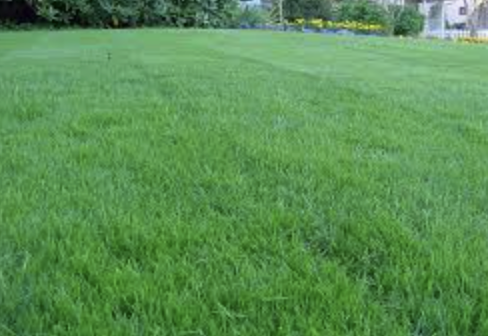
Deep green color
Soft texture
Self-repairing (spreads to fill in bare areas)
What to know:
Requires more water, especially in summer
Struggles more with heat and drought
Needs more consistent care to look its best
Bluegrass can work well in Lexington, but it typically performs best when blended with fescue, rather than used on its own.
Perennial Ryegrass: Fast Results, Short-Term Role
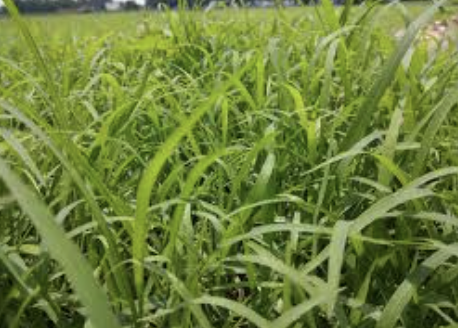
Perennial ryegrass is often used when homeowners want quick results.
It germinates faster than other grasses, which makes it helpful in certain situations.
Where it fits:
Overseeding existing lawns
Temporary coverage
Adding density to blends
Limitations:
Not as heat-tolerant long-term
Doesn’t handle Kentucky summers as well on its own
Ryegrass is best used as a supporting player, not the foundation of your lawn.
Soil Matters More Than Most People Realize
One of the biggest factors in lawn success in Lexington isn’t just the grass.
It’s the soil. Most properties in this area have clay-heavy soil, which tends to:
Drain slowly
Compact easily
Hold water longer than expected
This can lead to:
Shallow root growth
Stress during hot weather
Increased risk of disease
What this means for your lawn:
Even the best grass type can struggle if the soil isn’t addressed.
That’s why things like aeration, soil conditioning and proper grading often make as much difference as the seed itself. A healthy lawn in Lexington is usually the result of the right grass + the right soil conditions working together.
Cost and Maintenance: What to Expect
Different grass types come with different expectations. Here’s a simple way to think about it:
Lower Maintenance (Tall Fescue)
Less watering once established
More forgiving in heat
Occasional reseeding needed
Higher Maintenance (Bluegrass)
More watering required
More sensitive to stress
Better appearance with consistent care
Mixed Lawns (Most Common)
Balanced performance
More resilience across seasons
Slightly more complex care
Most homeowners in Lexington end up choosing a blend, because it provides stability without requiring perfect conditions.
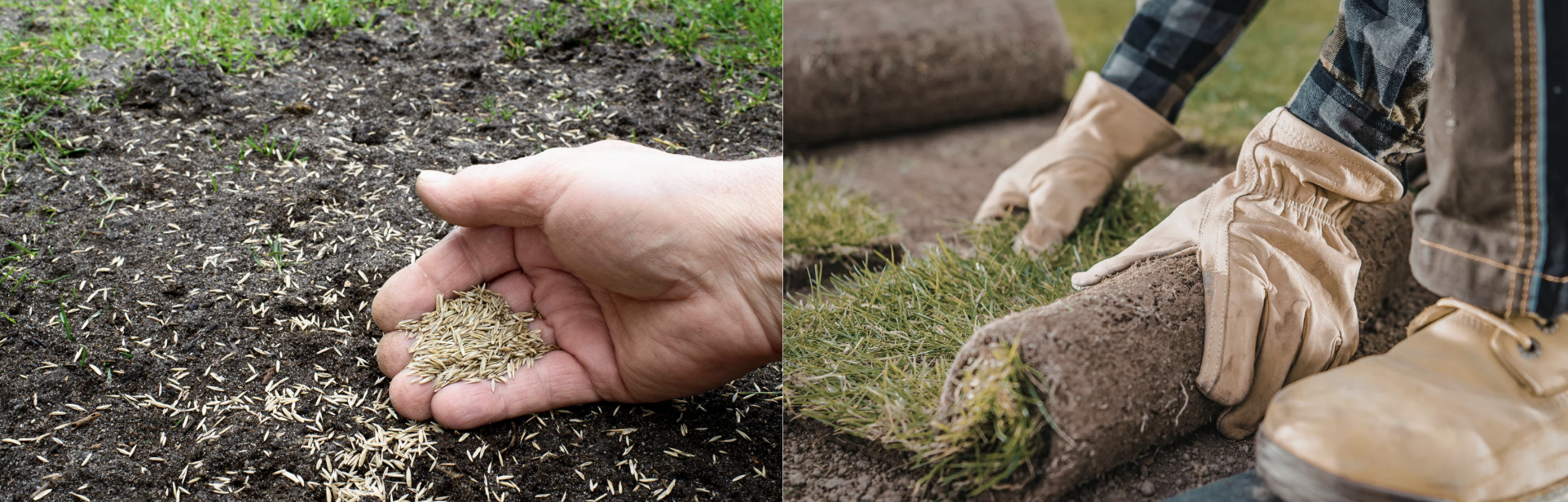
Seeding vs. Sod in Lexington: When to Do Each
Once you’ve chosen your grass type, the next decision is how to install it.
Seeding (Most Common)
Best time:
Early fall (ideal)
Early spring (secondary option)
Why it works:
More cost-effective
Better root establishment over time
Greater flexibility in blends
Sod (Instant Results)
Best for:
Immediate curb appeal
Erosion control
Finished look quickly
Things to know:
Higher upfront cost
Requires careful watering early on
Still needs time to establish roots
In Lexington, fall seeding is usually the most reliable option for long-term success.
Common Mistakes Homeowners Make
Choosing the wrong grass often comes down to a few simple assumptions:
Picking based on appearance instead of climate
Ignoring soil conditions
Expecting one type of grass to perform perfectly year-round
Installing at the wrong time of year
These decisions don’t always show up right away. But over time, they lead to patchy growth, increased maintenance, and frustration season after season.
What a Good Lawn Plan Looks Like
A strong lawn in Lexington usually includes:
A tall fescue-dominant blend
Aeration to reduce compaction
Seeding at the right time of year
Nothing overly complicated. Just a system that works with the environment instead of against it.
Final Thoughts
Most homeowners aren’t looking for the most complicated lawn.
They’re looking for one that looks good, holds up through the seasons and doesn’t require constant attention. And that starts with choosing the right foundation. When the grass type, soil, and timing are aligned, everything else becomes easier.
Want Help Evaluating Your Lawn?
If you’re planning to improve your lawn this season and want to be sure you’re starting with the right approach, we’re happy to take a look.
We can walk your property with you, explain what would work best for your specific conditions, and help you understand what to expect before anything begins. Give us a call!